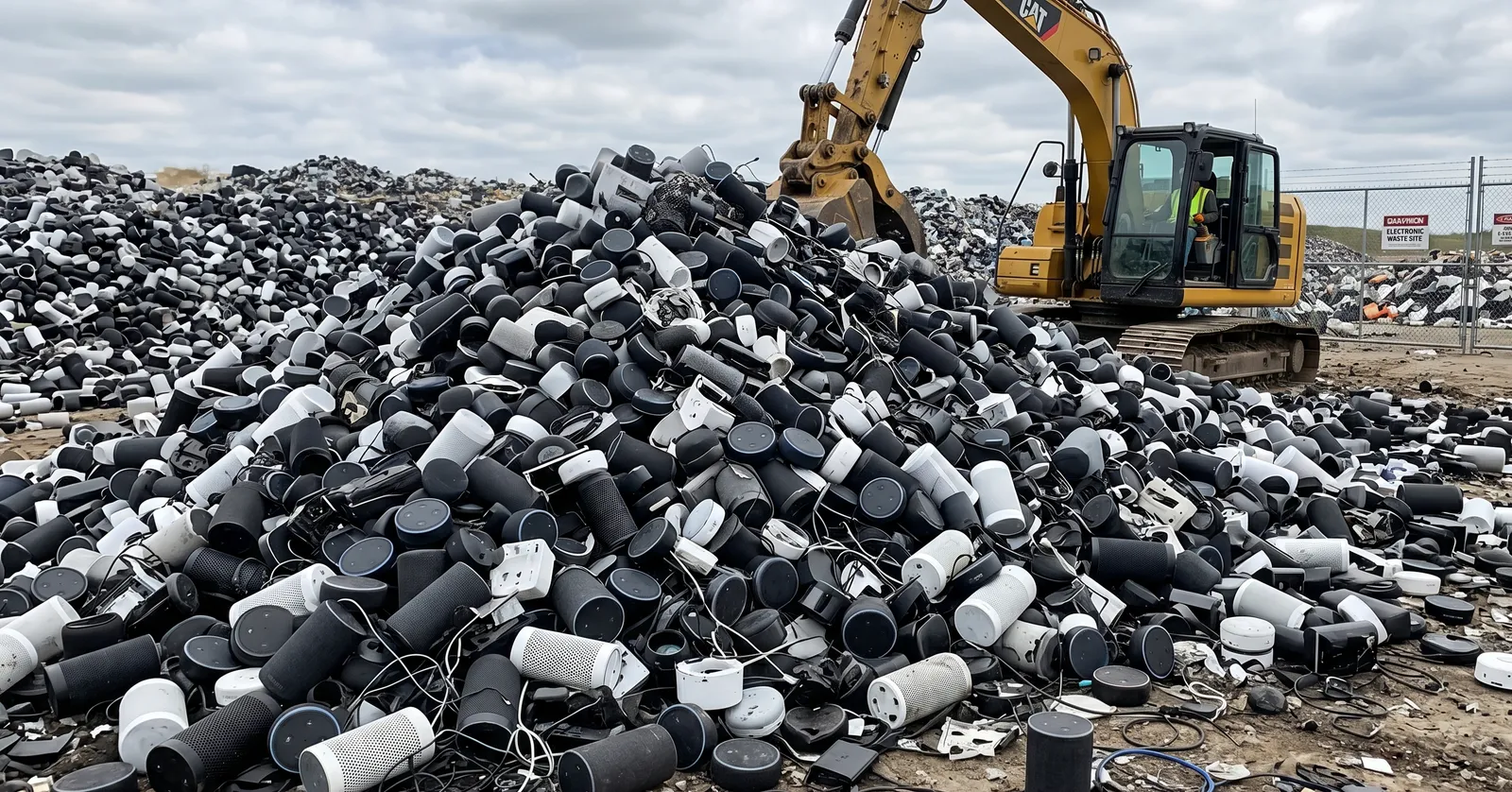
At Build 2026, Microsoft unveiled Project Solara, an early-stage platform for devices that run AI agents instead of traditional apps, proving the company is finally ready to compete with the revolutionary home assistant market of 2014. The company showed off two concept devices, a wearable badge and a desk hub, powered by off-the-shelf Qualcomm and MediaTek chips, with Azure doing the cloud work and executives doing the much harder job of pretending this is going to play out better than Windows Phone did.
According to Microsoft, Solara will eventually help users manage tasks, information, and daily routines, which is a bold new category previously explored by Amazon’s Alexa, Google Home, Siri, several failed Kickstarter cubes, and every lonely countertop speaker currently blinking in a divorced dad’s kitchen. CEO Satya Nadella reportedly became interested in the space after discovering one of his children had an Echo Dot that could set a pasta timer, and play jazz when asking it to turn on the kitchen lights.
Microsoft said the Solara business model and many practical use cases are still being worked out, which in fairness puts the product slightly ahead of most things announced at Build. Early demos suggest the desk hub may eventually help users manage routines, retrieve information, and introduce even more ways to jam Teams down people’s throats.